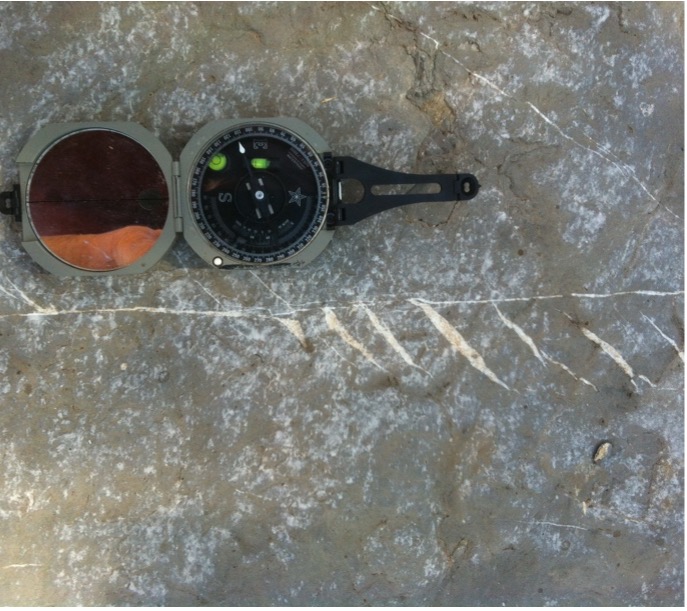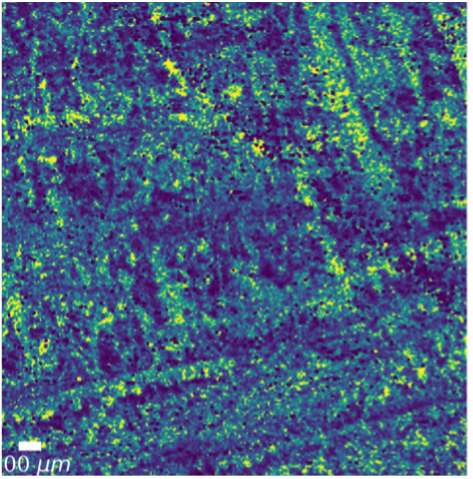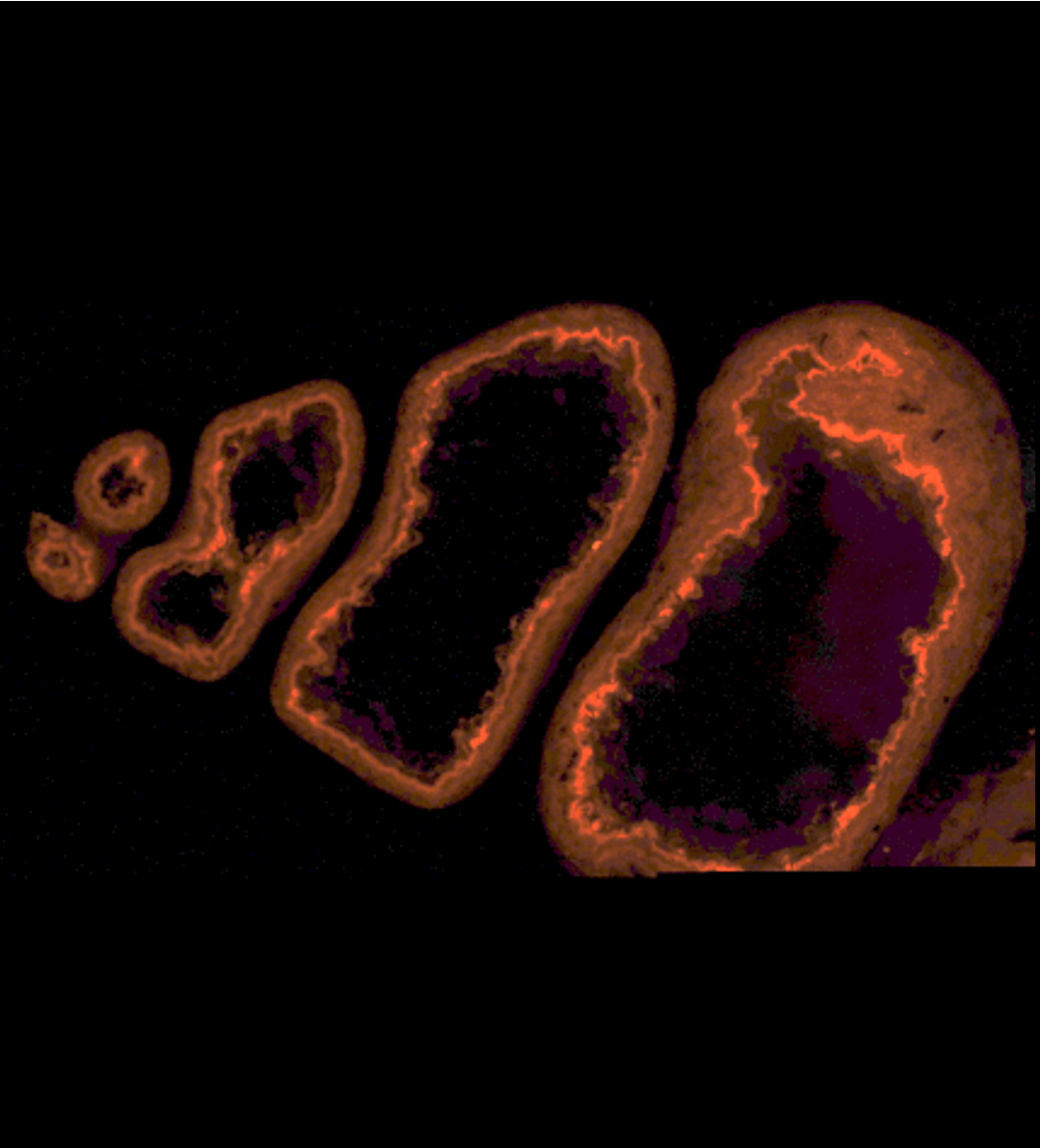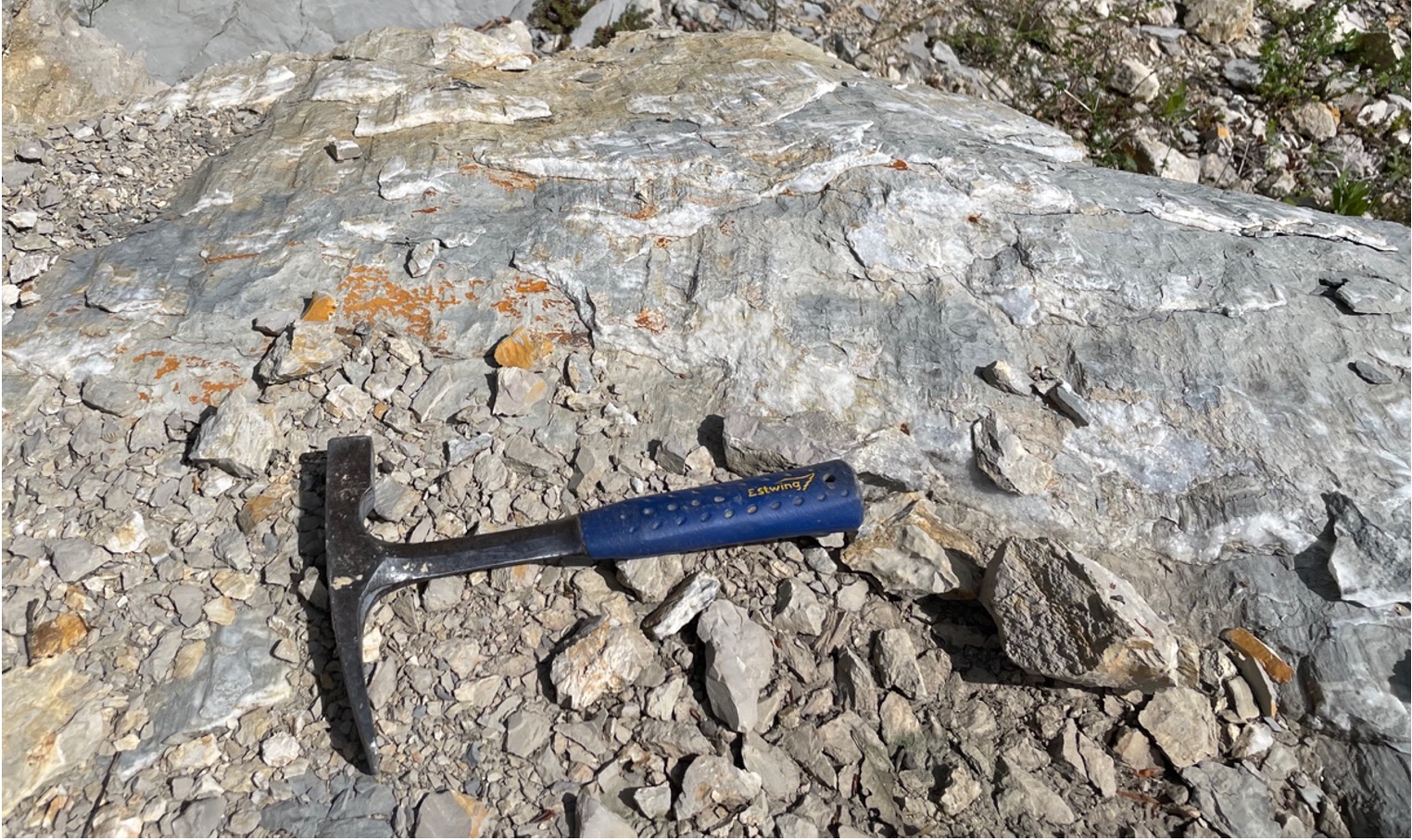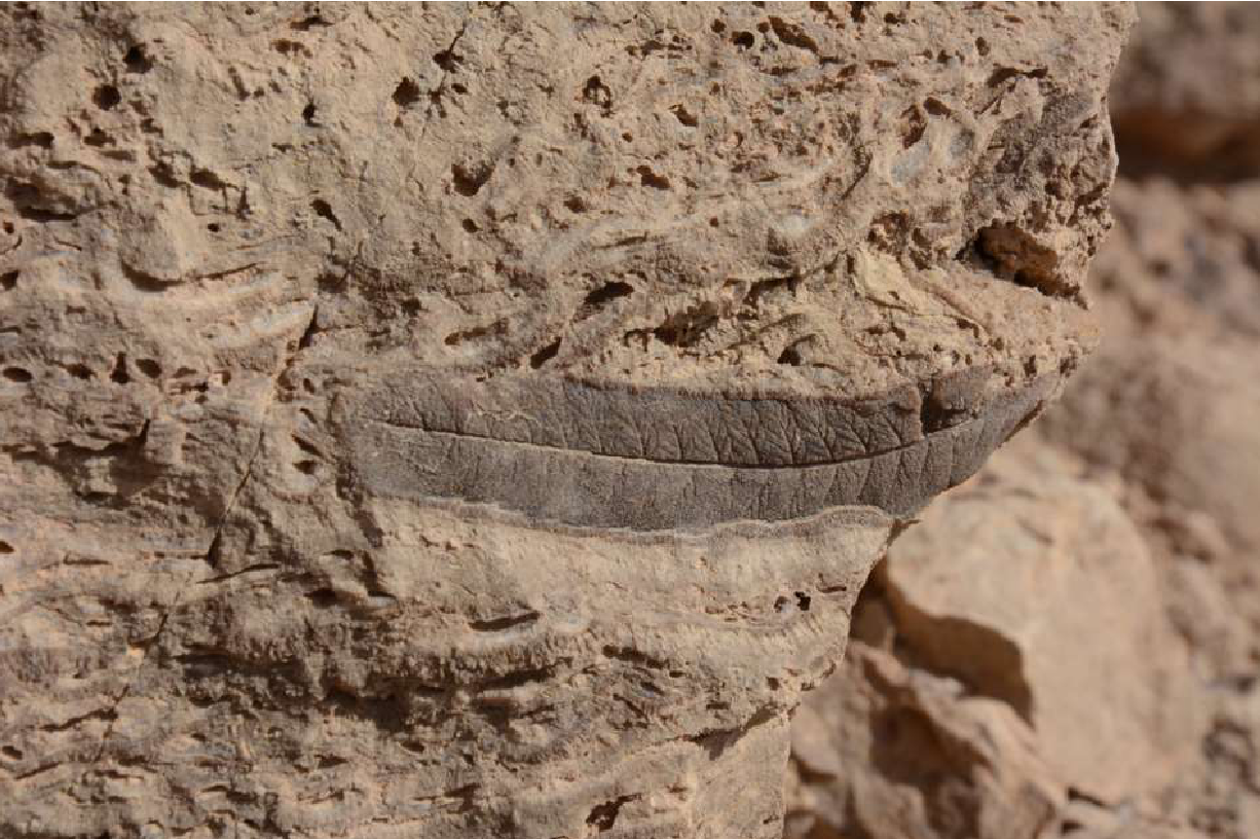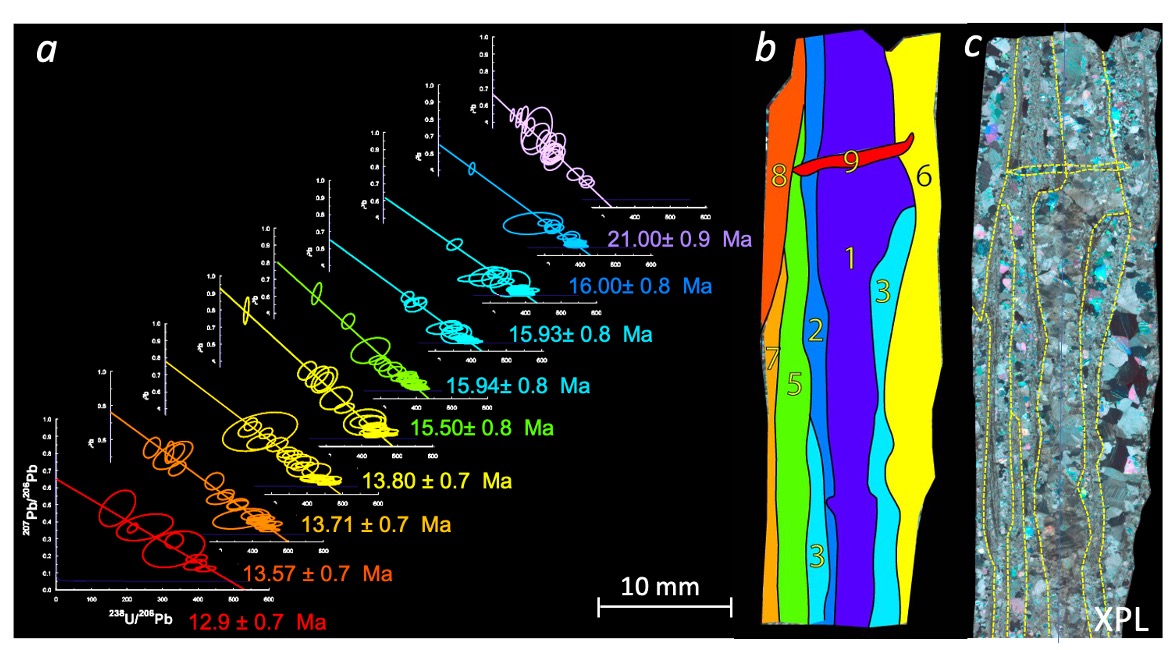

We specialised in micro-scale analyses of fault-related structures such as vein-fill and slickenfibrues and we use LA-ICPMS dating approach to unravel their formation mechanism and timing (U-Pb and U-Th). We work with oriented samples and study their growth mechanisms using both microscope (XPL) and cathodoluminescent (CL) imaging.
I am a Geologist, working with various methods such as geochronology, isotope geochemistry, and micro-structural analyses to unravel the geological history of major active plate boundaries with the hope to provide a better understanding of the seismic cycle and the role of fluids in active fault systems.
I have worked in the Dead Sea Fault, North and East Anatolian faults, and in the Eastern California Shear Zone, and currently have projects in Switzerland western Jura Haute-Chaine and the North and East Anatolian fault zones.
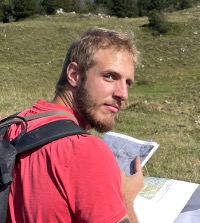
Guillaune is studying the temporal and structural evolution of the western Jura Haute-Chaine using U-Pb calcite dating and 3D structural analyses.
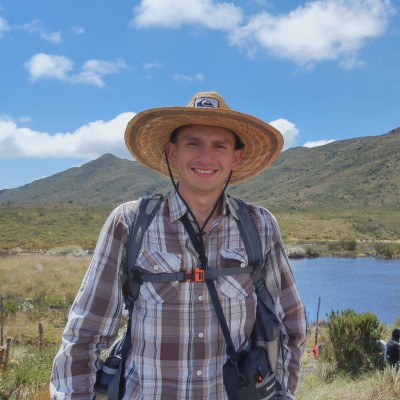
Juan is studying the temporal and structural evolution of the Chenille ophiolite, and how it developed from MOR to oceanic core complex. I am using U-Pb dating of ophicalcite and U-Th/He analyses of the ultramaphic units in the Chenillet ophiolite.
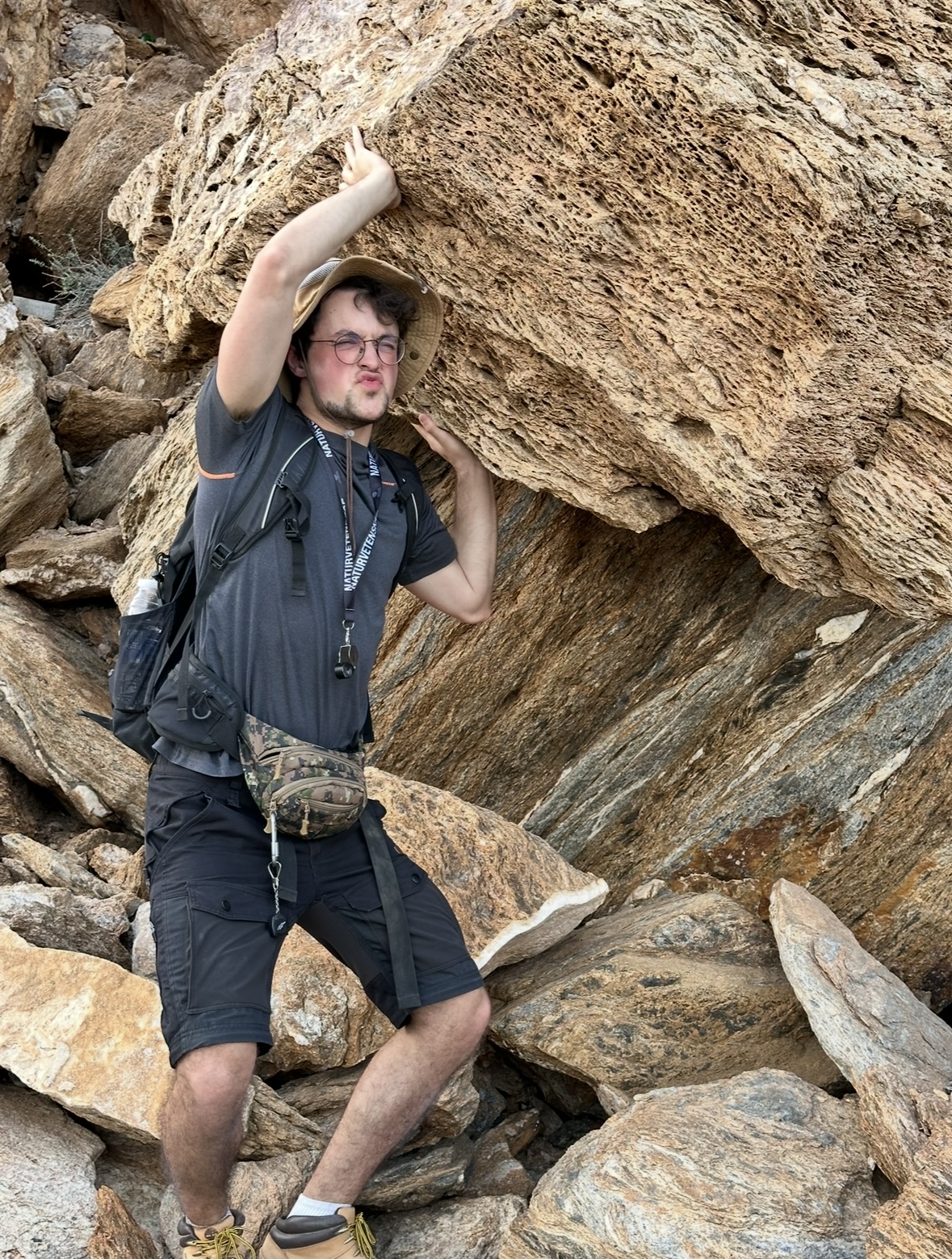
Leopold is studying the tectonic and climatic evolution of the Levant since the early Miocene using state-of-the-art U-Th-Pb geochronology of 'dirty carbonate' sediments.
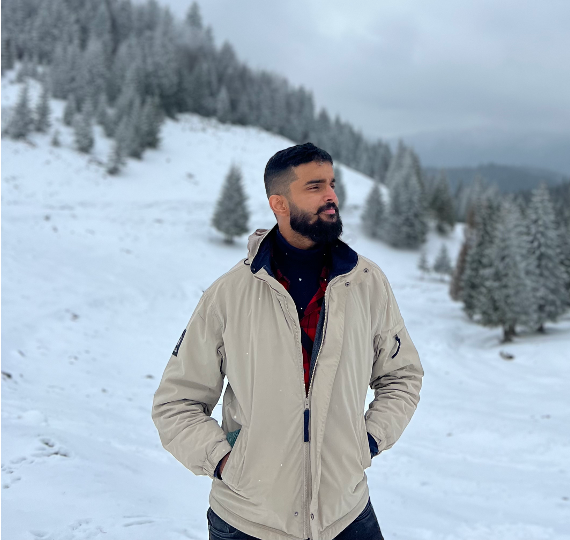
Vivek will study the behaviour of natural and synthetic carbonate reference material for improving laser ablation ICPMS methods for U-Th and U-Pb analyses.
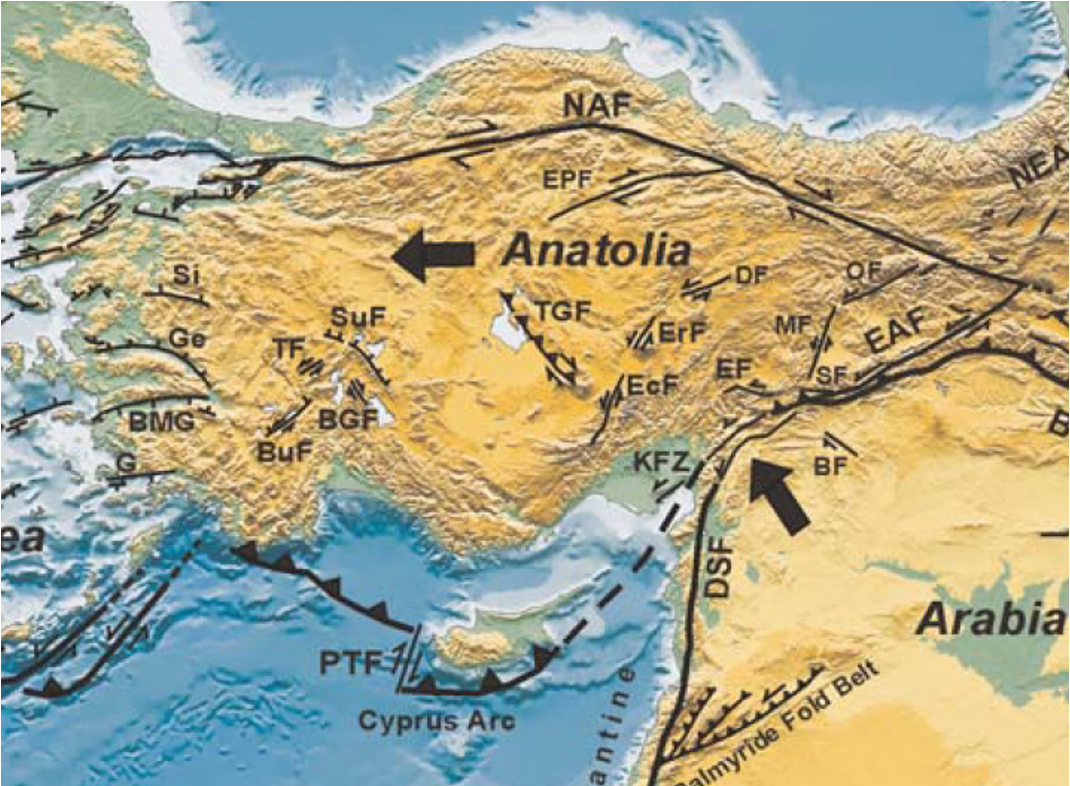
We look for two PhD students to work on this project which includes: fieldwork, structural-micro-structural studies and U-Th-Pb geochronology and geochemistry analyses. The study aim to provide important implications for paleoseismic records and tectonic reconstructions.
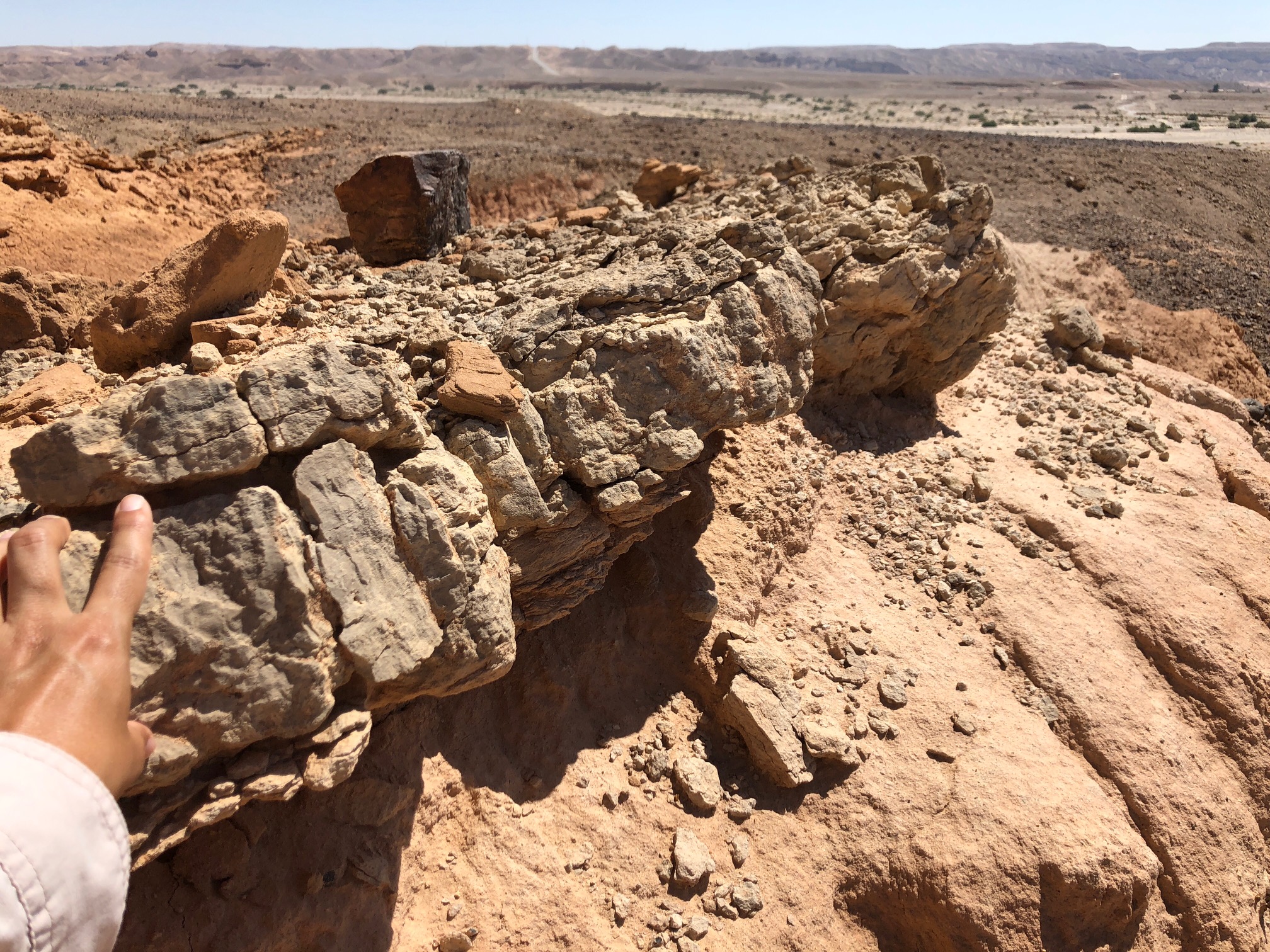
Léopold Chicoine will study the geochronology of various sediments with "dirty carbonates" with the aim of extending U-Pb-Th method across the Miocene-Pliocene-Quaternary and towards a unified chronostratigraphy and paleoclimatic framework of the Levant.
Link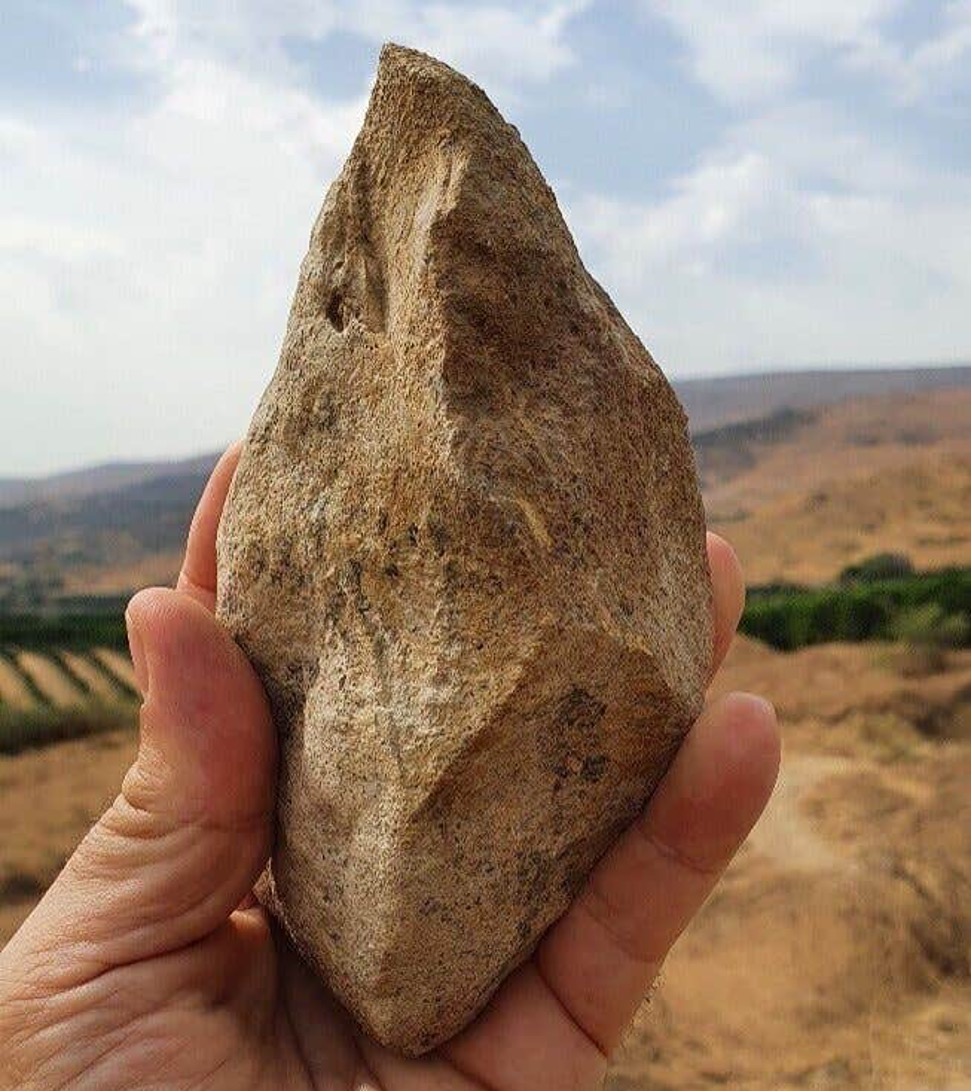
Our new dating shows ‘Ubeidiya is at least 1.9 million years old, forcing scientists to rethink how it compares with other early human sites.
Link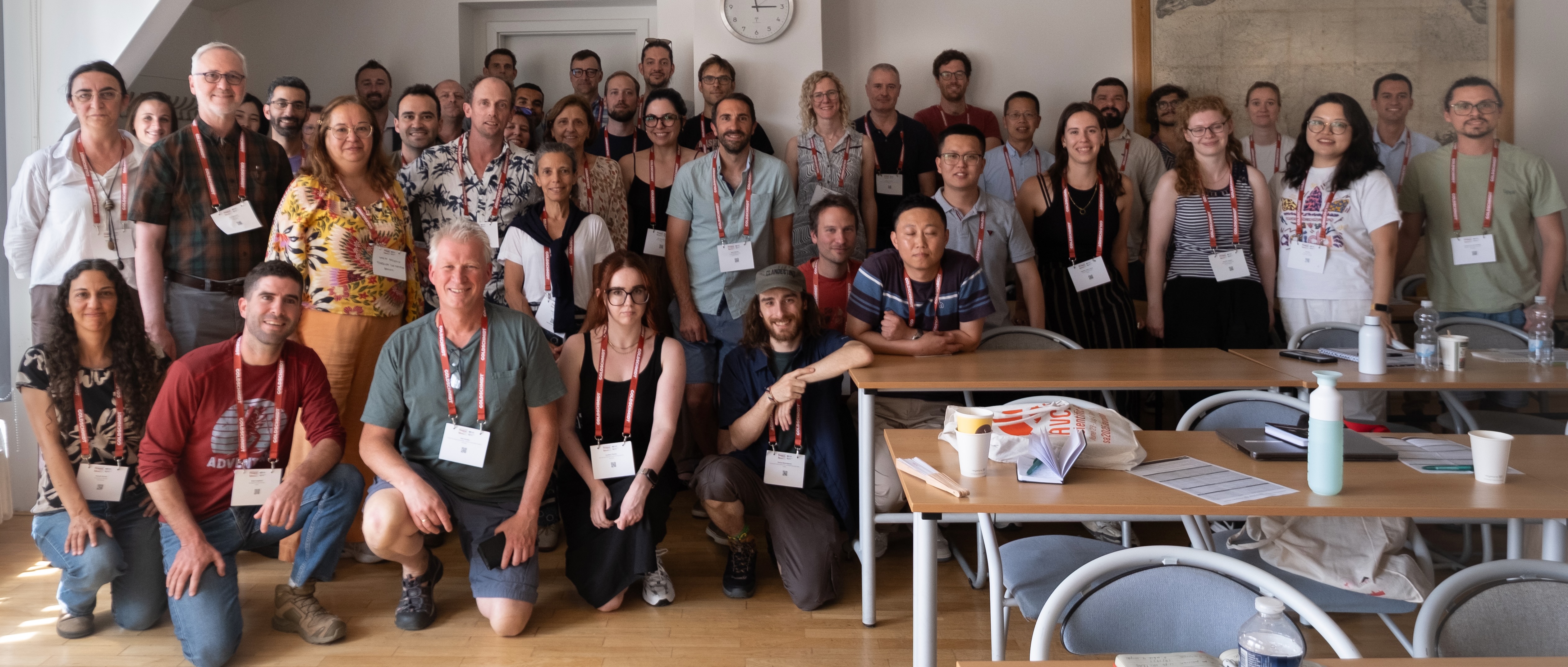
We co-organised the secound carbonate LA-ICPMS workshop that was held in Goldschmidt 2025 in Prague with more than 50 participants from 14 different countries.
Link
We co-organised the ICDP KIND workshop - Lake Kinneret Drilling: reconstructing Pliocene-Quaternary hydroclimate and seismic history of the Levant (KIND). 12-15 July 2025, GFZ, Potsdam, Germany with more than 60 participants from 12 different countries.
Link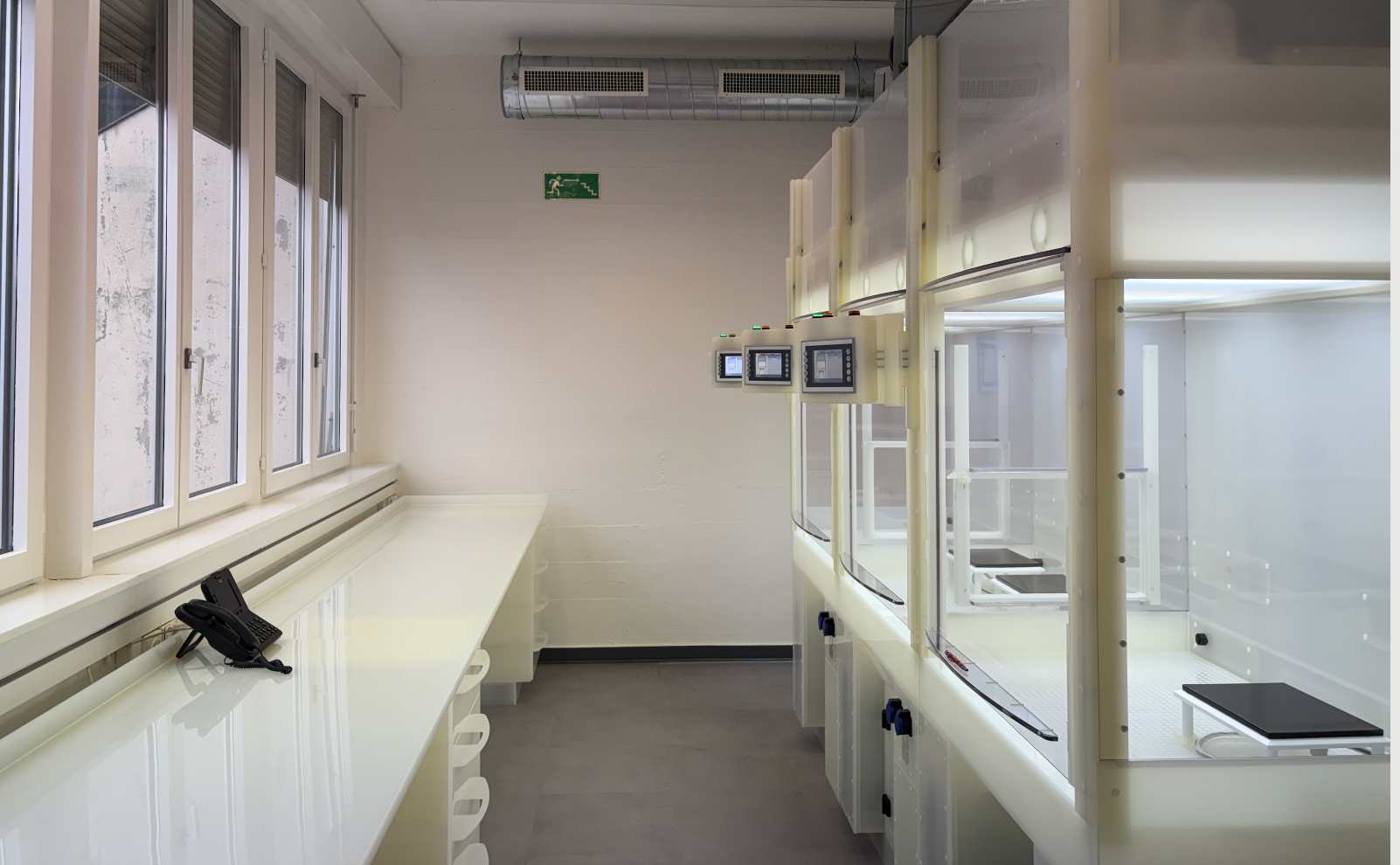
Our new U-Th geochronology lab at UNIGE is ready! With 3 new laminar-flow boxes we are ready to do U-Th analyses of various carbonate material.
LinkWe are happy to hear from you.